




Low-Fat Diet
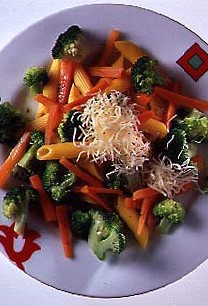 For a regular healthy diet, it is recommended that of the calories eaten, no more than 30% should come from fat.However, certain disease and medical conditions can make it difficult for the body to tolerate even that much fat, so a low-fat diet may help people with these conditions:
- Gallbladder Disease
Bile secreted from the gallbladder helps the body break down and absorb fats. When gallstones or gallbladder disease are present, a low-fat diet is often used to prevent complications. - Delayed Stomach Emptying (Gastro Paresis)
This is a condition in which the stomach empties food into the intestine too slowly. It can cause bloating, nausea, and even vomiting. Normally, fat in foods delays stomach emptying, so fats make gastro paresis worse. - Diarrhea
This can be caused by many conditions. When it occurs, it can be aggravated by eating fatty foods. - Malabsorption of Nutrients
Absorption is the transfer of nutrients into the bloodstream from the intestine. In some diseases of the pancreas and small intestine, patients have trouble absorbing nutrients from the diet, including fat. A low-fat diet may help control symptoms until the cause of malabsorption can be diagnosed. - Fatty Liver
For a number of reasons, fat may accumulate in the liver. Fat is not normally stored in the liver, and in some cases this can cause damage to the liver. A low-fat diet and weight reduction may be helpful.
In most cases, this diet provides all the nutrients required by the National Research Council's Recommendation Dietary Allowances (RDA). In some cases, however, the physician may prescribe supplements. Women of childbearing age and those people with malabsorption may need to take certain vitamin and/or mineral supplements.
Special Considerations
Be careful how foods are prepared. Trim all visible fat from meat. Bake, steam, or broil meats and fish instead of frying.
Please see the Contact Us page for street maps.
Click here to
Request an Appointment.